
I’ve recently stepped back into supporting mums and bubs after a bit of a break through the Covid years.
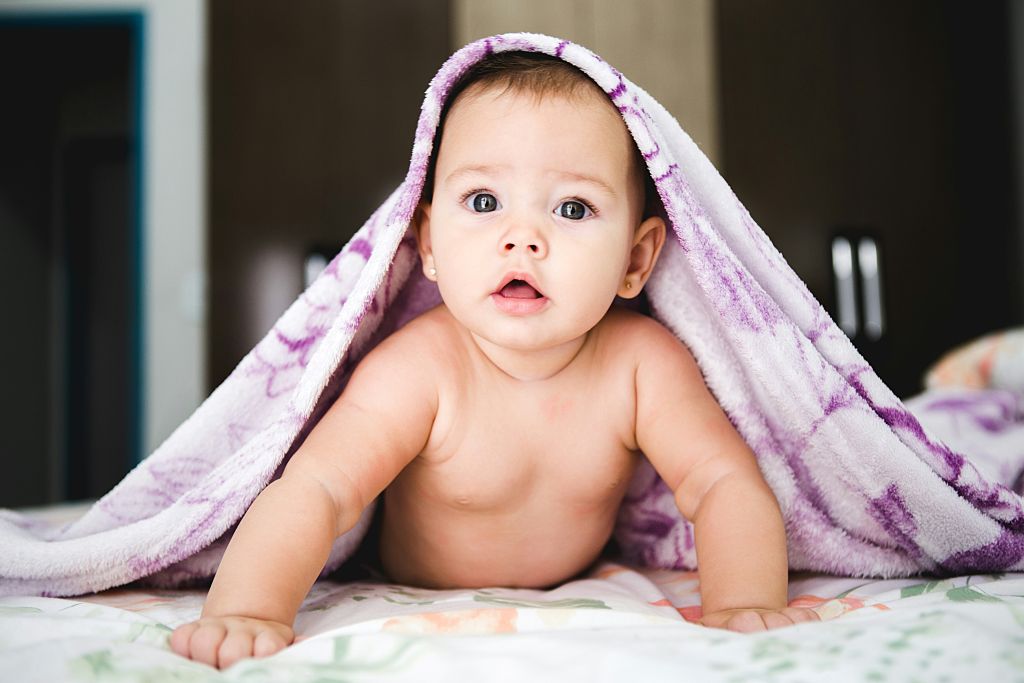
This last few months I’ve had a run of eczema cases coming through clinic and it’s interesting to note that many of them are in babies who have amazingly aware parents, who are doing all the right things in terms of nutrition, products to support and soothe the skin, and a high percentage have chosen not to vaccinate at this point.
Understandably they are confused as to why their beautiful, natural babies are having issues such as eczema. Having written a post recently on what happens when we suppress symptoms, this seems to follow on or perhaps expand on this topic. This is a bit of a thought bubble rather than a scientific paper, because I wanted to get something down on paper for parents to read and contemplate.
Eczema on a baby looks unsightly and we worry about their level of comfort. We can be tempted to use cortisone creams, anti-fungal creams and sometimes antibiotics. Of course if the situation is really dreadful then sometimes this needs to happen to bring relief in the short term, but if you read the blog at the link above, you will see why, in the longer term, that may not be a good option.
Yes, eczema looks awful, but as I always say to my parents, it’s better than pushing it inwards and ending up with asthma and/or allergies.
What we must remember when we’re looking at these gorgeous babies is that the health history of the parents and extended family is the soil for the health of the children. What’s in the family medical history often determines what health issues (or related issues) a child may present with and how it is going to progress.
With an eczema case I’m a little bit interested in what allergies and intolerances a child may have, but I’m much more interested in the following:
Conception – how was bub conceived, eg IVF in some form, stress levels, etc
Pregnancy – how was the pregnancy, any medications, vaccinations, stress
Delivery – was the delivery natural, was there intervention, did anyone need antibiotics, bub in NICU or similar. Was there skin-to-skin, delayed cord cutting, etc.
Family Medical History – I often delve here first. Who in the family has asthma, eczema, allergies and even TB! This would be the extended family, so cousins, aunties and uncles, siblings with the same mother or father. A bit of digging can be required here to see what is uncovered. Ancestral trauma would also come under this heading.
Location – where the family lives now, housing situation, and also where the parents grew up. Here we’re looking for exposure to toxicity of some kind, including airborne herbicides, fungicides and pesticides, and of course things like mould and other toxins.
Parents’ Occupation – this can often given a clear trail to health issues in the baby. Parents who work with toxic chemicals, paints, varnishes or spray finishes, and things like plastics and heavy metals, eg plumbers and lead. Hairdressing mums and dads, parents who’ve been dentists or dental nurses in the days of amalgams or even removing amalgams. This can bring some interesting insights into what is presenting in the children.
Mother’s Diet – if breastfeeding, particularly dairy intake as a first port of call. This is especially relevant if we have family history of asthma and allergies. Occasionally we see tuberculosis and dairy farming way back in that history which to a homeopath has a connection with issues with dairy. This is a whole other story which I often expand on in the consult where it pops up.
Vaccination History – Not just the child’s, but the parents’ vaccination history is also relevant here because you may have chosen not to vaccinate your baby, but a baby presenting as if they have been vaxed (which some eczema cases can appear to be) tells us that the history of the parents is also a consideration.
Detoxing
A note on detoxing
I developed my own detoxing protocols when I opened The Children’s Ear Clinic in 2001. It quickly became clear that many children with recurrent ear infections had been affected by their childhood vaccines. However, I used detoxing protocols occasionally, not routinely, because standard homeopathic prescribing worked well in the majority of cases.
Detoxing has become very fashionable these days, with many practitioners starting a new case with detoxing everything in sight. The process can be cumbersome and confusing for parents, particularly if they are new to homeopathy and life is busy.
After nearly 30 years in practice and with many thousands of children on my books, I have written on this topic previously, based on this experience.
https://archive.elementsofhealth.com.au/vaccination-detoxing/
https://archive.elementsofhealth.com.au/detoxing-faqs/
What I would say about the process of homeopathic prescribing is that despite reactions to a vaccine, in many cases good constitutional treatment (ie treat the whole person and not the condition) will bring results without needing to specificially detox. The reason for this is that once you bring the system into balance with individualised remedies, the body will, as part of that process, begin to gently clear the system. In fact, the way it seems to happen is that the toxins vanish or perhaps are broken down, because there are rarely detoxing symptoms, but we see improvement in the case.
Occasionally we will need to go on to undertake detoxing protocols, but very often it’s just working with remedies that fit the child’s picture, rather than focusing on eczema remedies or detoxing vaccines, IVF or delivery drugs for example.
Don’t be despondent if your baby has eczema!
There is a lot you can do with an experienced homeopath to resolve the issue and return your baby to good health and clear skin.
It’s not a case of finding the most natural creams or the best diet and the best probiotics – they are all important of course. It’s more about looking at the fact that the child’s skin is telling you there is a problem that needs to be addressed. The system needs to be tuned up and these historical issues taken into account. We think we are trying to resolve something that is occurring on the skin, but it’s really about what’s happening on a deeper level.
Homeopathy treats the whole person, not just the symptoms or a named condition, so a consultation would look at the whole child, inherited tendencies, family medical history, environment, gut function, conception, pregnancy, delivery and of course vaccination history, if a factor.
We also look at the mental/emotional aspects, so any trauma during the delivery for the mother or the baby, and also during the pregnancy. These are all big factors in many health issues in babies.
The aim is to select individualised remedies to bring the system back into balance. Each case is unique, as are the remedies chosen, so five children with eczema would all receive different remedies or treatment plans. There are so many remedies that treat eczema, but not so many remedies that treat a hot, happy, social baby with eczema or a chubby, clammy, anxious baby, just as examples.
Every person regardless of conventional diagnosis or presentation is likely to receive different remedies because everyone is unique and we are treating the person, not just the symptoms. With well over 5000 remedies to choose from we have a lot of scope to individualise, far more so than the remedies which you will often find listed on the internet.
Yes, our homeopathic creams at Elements of Health are really great, but because we want to treat the whole picture and look deeply at what is going on, I would rarely prescribe a cream during a consult. These problems are more than skin deep.
The way we look at a case means that immune function as well as mental/emotional health are considered in the course of the consult. We tend to find a well selected homeopathic remedy will address most of what’s going on.
About Melanie Creedy
Melanie Creedy is a Licentiate of the British School of Homeopathy in the UK and holds a Bachelor of Health Science in Homeopathy. She is registered with the Australian Register of Homoeopaths (AROH) and is a member of the Australian Homoeopathic Association. She was Vice President and Professional Development Coordinator of the Australian Homoeopathic Association from 2011 to 2015 and editor of the AHA National Newsletter from 2012 to 2020.
Melanie has used homeopathy since the mid-1980s and has been in practice since 1998. For many years she ran The Children’s Ear Clinic in Western Australia, but since her tree change to Tasmania, has a special interest in helping individuals manage their life and health through looking at a diagnosis or condition in relation to the symbolism of this unique picture. Armed with a range of remedies from the most common to the most unusual and esoteric, Melanie guides people to plumb the depths of their life and spiritual path with homeopathy to help them find insights, to understand and to heal.
Melanie has developed her own methods of dealing with complex cases over the years and offers distance consultations via phone and zoom to allow people Australia-wide to access her services.
For many years Melanie taught people how to use homeopathy in their homes, with their children and with their pets. She has run classes on how to use homeopathy with native animals and taught courses on homeopathy for birthing to doulas. Since moving to Tasmania she has found writing a better forum to reach more people. You will find many posts reaching back over her many years in practice here, revised and updated over time.
Homeopathy is a traditional medicine. It may be used in conjunction with other medicines. For any ongoing chronic condition, it is important to be assessed or examined by your healthcare professional or specialist. Always seek medical advice in emergencies. The information provided in this blog does not constitute medical advice but is for information only. If in doubt as to the appropriateness of a suggestion or treatment seek advice from your homeopath.
Photo by Jonathan Borba on Unsplash